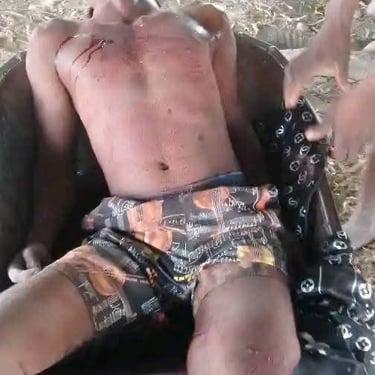
EXPOSING THE GENOCIDE IN BENUE STATE: THE SANKERA HOLOCAUST
The Benue Holocaust in Sankera reflects one of the most painful chapters in the history of communities in Benue State. It highlights the tragic loss of lives, displacement of families, and the deep security challenges that have shaped the region’s recent past. This article examines the causes, impact, and urgent need for justice, protection, and sustainable peace — ensuring that the memories of the victims inspire stronger action toward security and lasting stability.
GENERAL
Iyorwuese Hagher
2/26/20265 min read
25th February.
Press Conference Address by Amb. Prof. Iyorwuese Hagher
Ladies and gentlemen of the press,
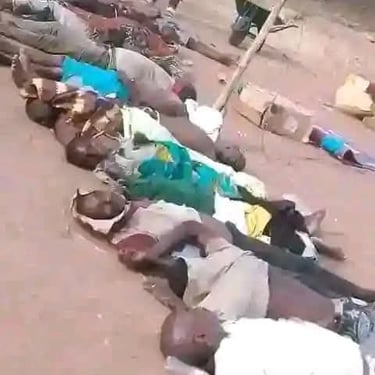
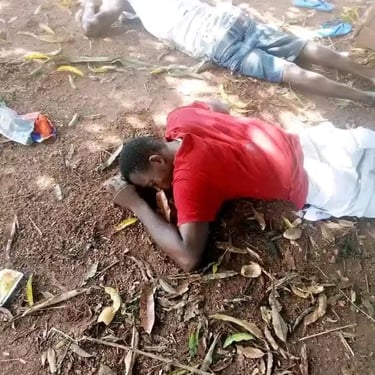
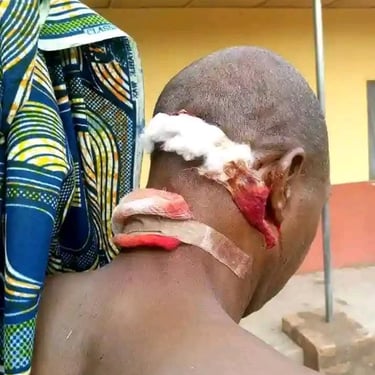
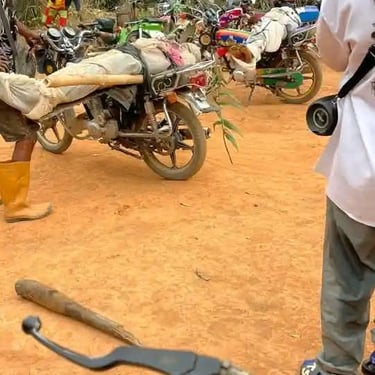
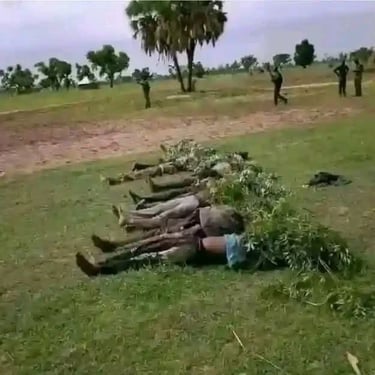
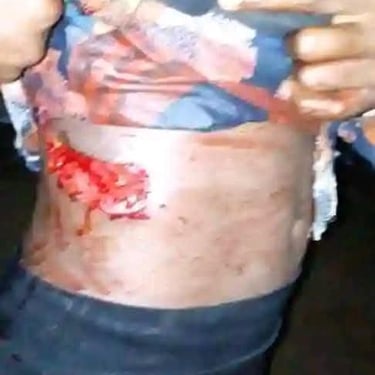
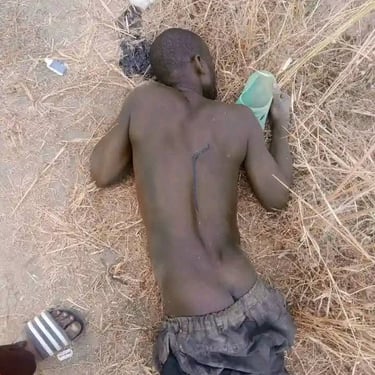
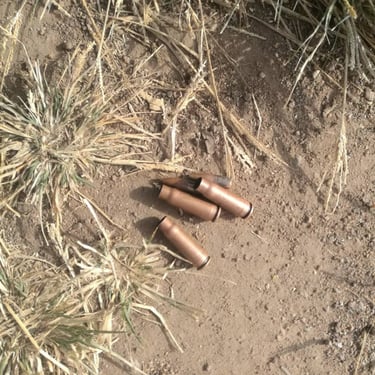
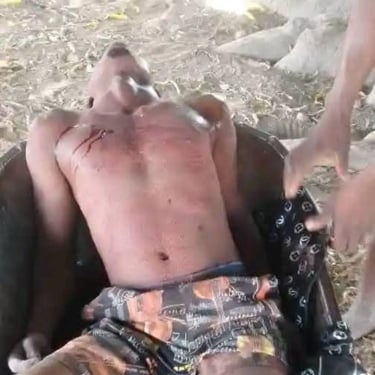
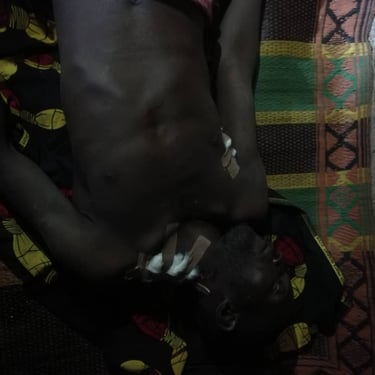
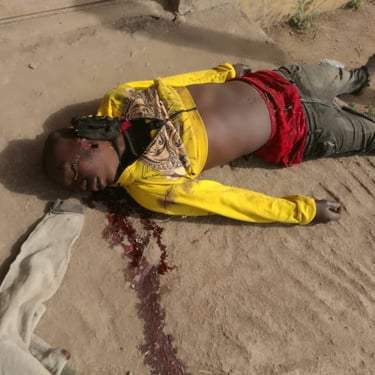
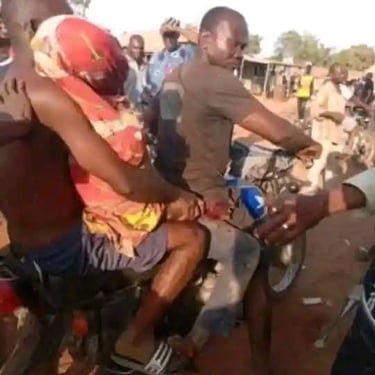
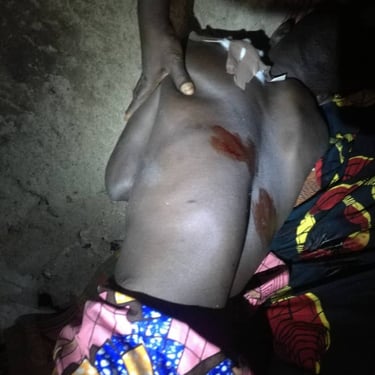
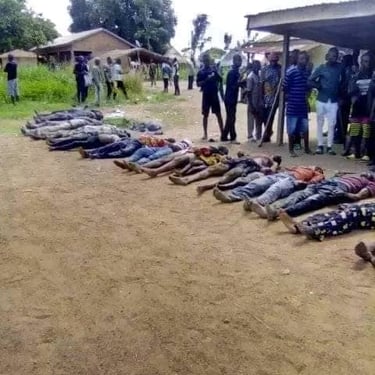
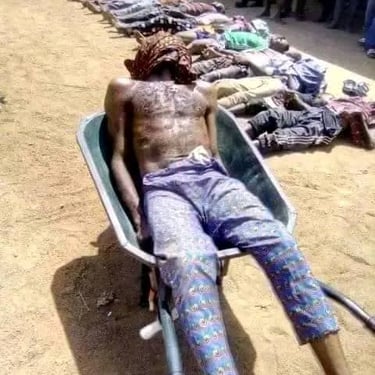
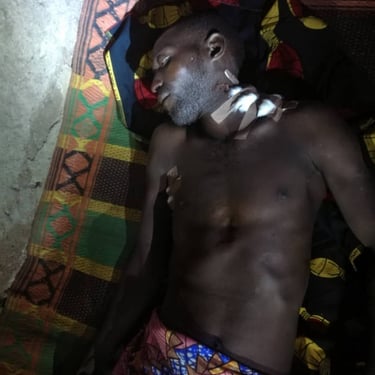
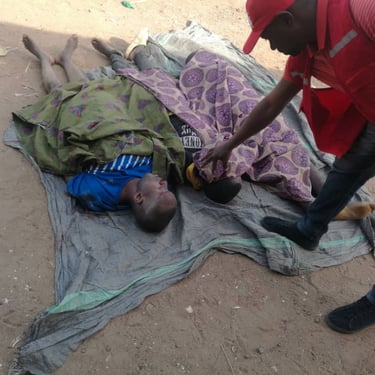
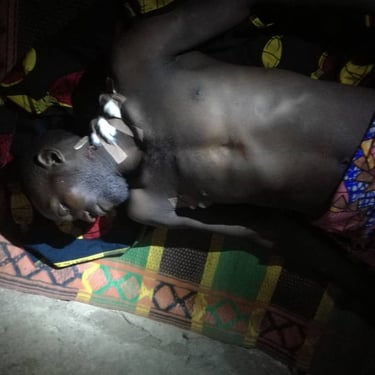
I stand here to address you on a grave humanitarian tragedy that has affected the people of Benue State since 2015. I wish to draw the world's attention to crimes against humanity and a Holocaust committed against the people of Sankera in Benue State, in which over 2,603 lives have been lost.
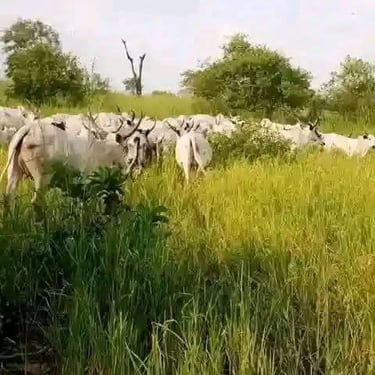
The total land area occupied by Fulani herdsmen and bandits is estimated at 3580.11 square km, about 58.93%, and over half a million people have lost their means of livelihood through forced displacement. To put the Holocaust in perspective: the Sankera, a chiefdom in the north-east of Benue State with a landmass of 6075 km², is larger than Ebonyi State, Imo State, and Anambra State.
My decision to address this press conference is because, for too long, our people have suffered a sustained campaign of violence, displacement and destruction, constituting one of the most severe humanitarian crises in contemporary Africa. Yet, for too long, those in power have denied the existence of these crimes against humanity and instead appear to support mass killings of our people and sympathise with terrorists. The recent request by the Benue State Government for federal government approval for a centre specifically for the rehabilitation of bandits, without first returning the displaced victims to their homes, meting out justice in accordance with the law, is a normalisation of criminality and a weaponisation of politics that seems to curate and deploy bandits for political purposes.
While the Bola Ahmed Tinubu government is partnering with the US government to bring succour to the victims of terrorism, the Benue State government is urgently seeking accommodation with the terrorists who have yet to be reconciled and forgiven by their victims, in line with global best practice. This is a sad misplacement of priorities and a preference for terror and banditry over the victimised, brutalised, and traumatised.
The Sankera Holocaust is dangerously under-reported. The State government has deployed its substantial financial security vote to conceal and deny the suffering of the Sankera people. By doing so, the State government bears criminal liability for Holocaust denial and for protecting the perpetrators. The Convention on the Prevention of the Crime of Genocide, which Nigeria signed on 27th July 2009, condemns those who witnessed genocide and, instead of defending the victims, colluded. Official silence and denial of the Sankera Holocaust have deepened the wounds. Inadequate documentation has obscured the scale of the suffering, and political hesitation has prolonged it.
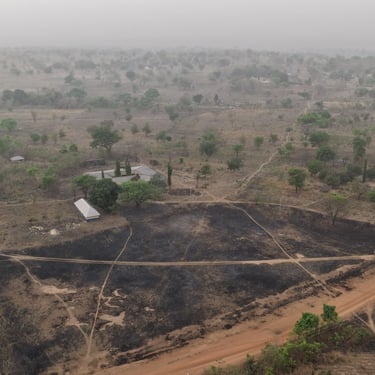
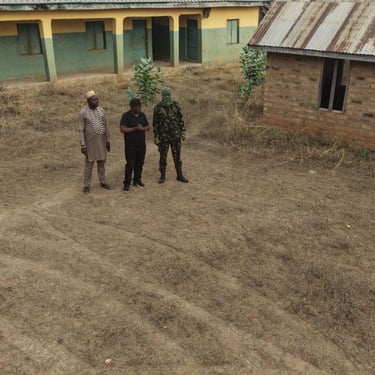
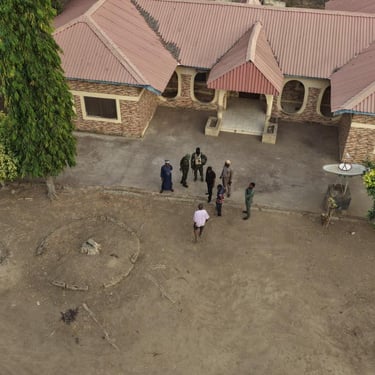
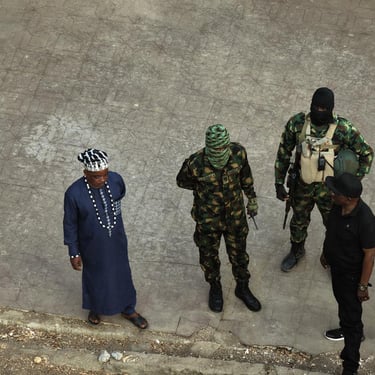
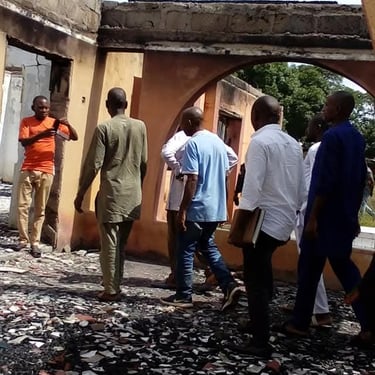
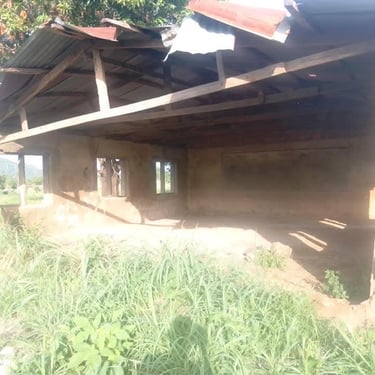
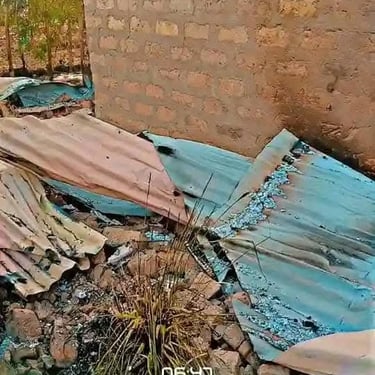
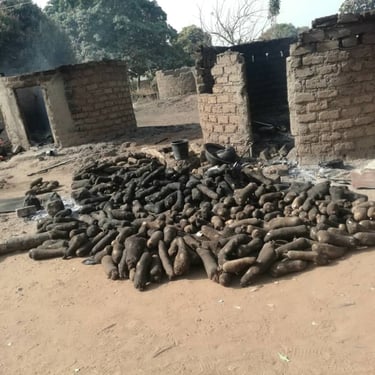
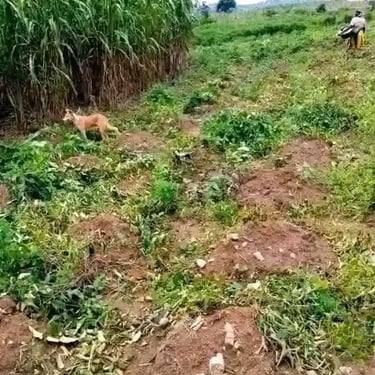
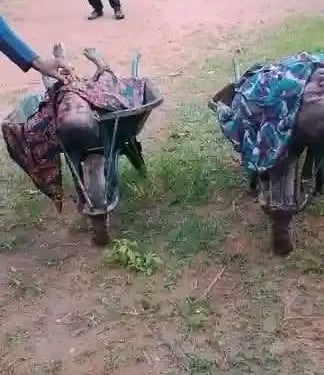
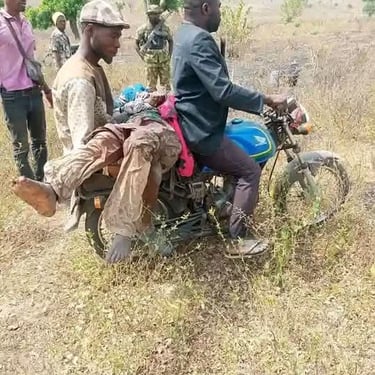
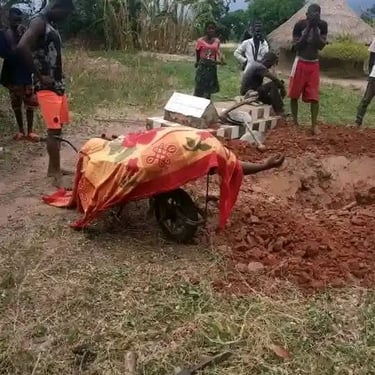
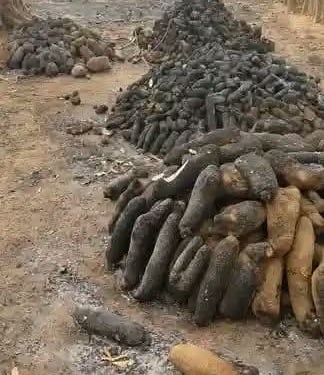
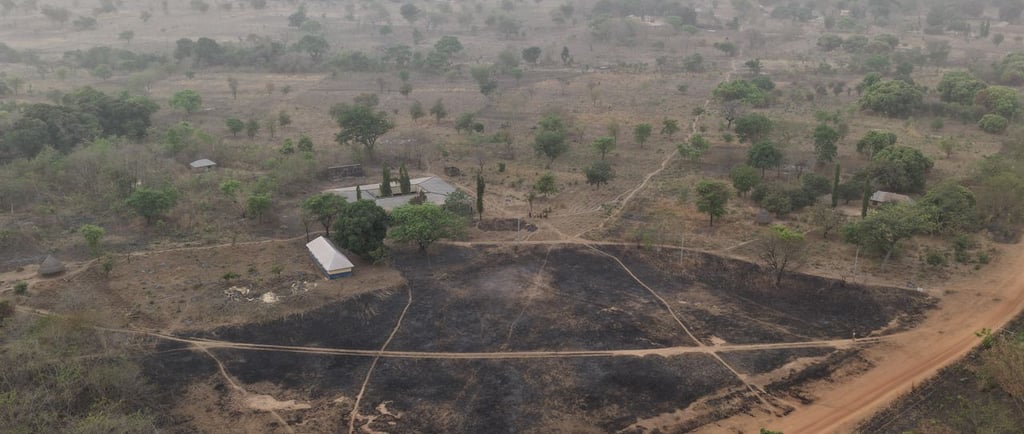
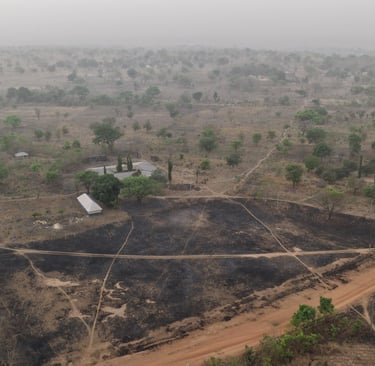
On the 18th of February 2026, after years of being unable to visit my ancestral home in Kasar, Katsina-Ala Local Government Area, I finally did so. The Nigerian army graciously accompanied me home to Kasar. I travelled by road through land that once bubbled with life: markets alive with yam traders, children walking to and from school, women pounding yams, farmers returning from the fields with wheelbarrows, sleek ochre-coloured native dogs following, motorcycles loaded with harvests, and families gathering to enjoy meals. As we approached Kasar, there was no sign of life.
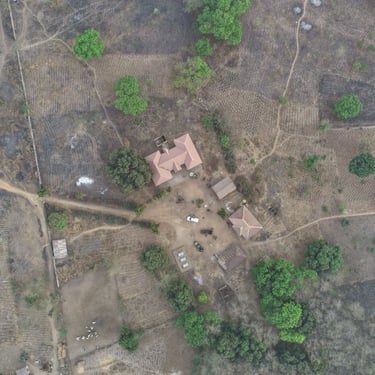
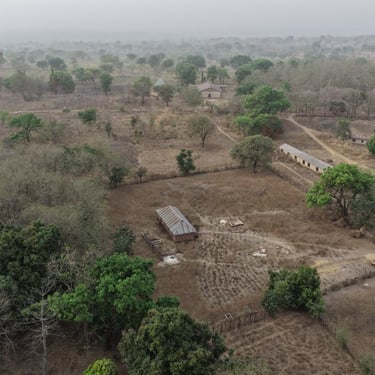
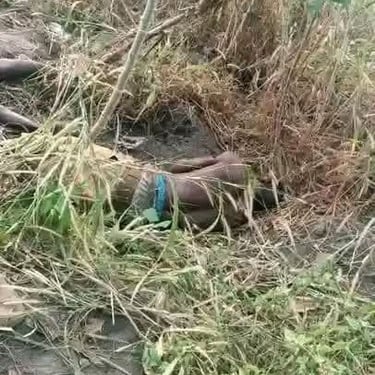
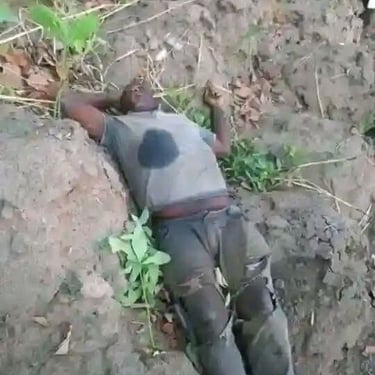
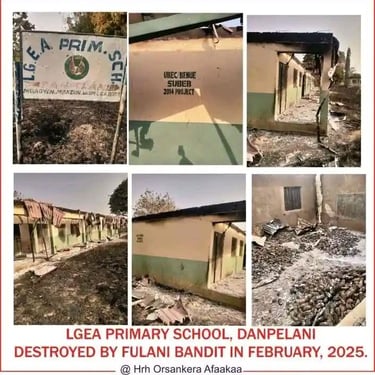
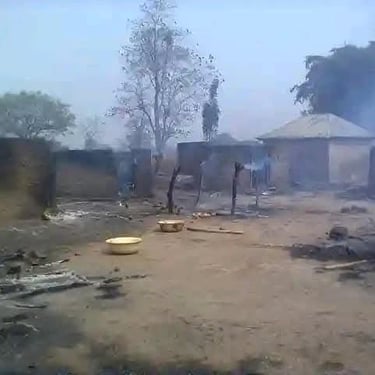
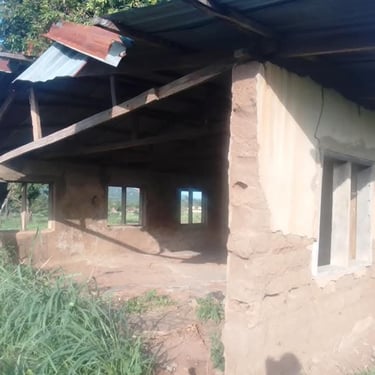
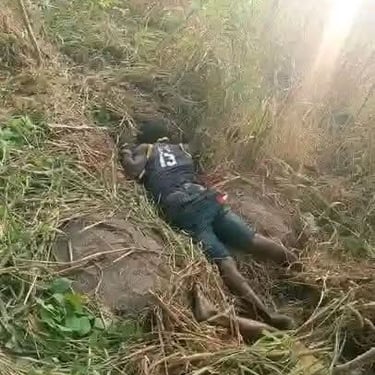
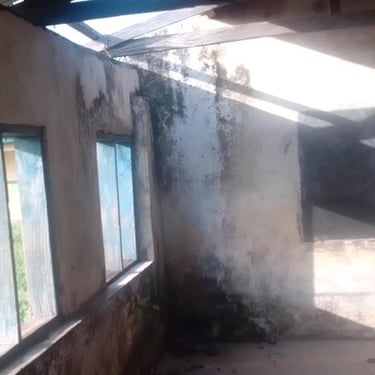
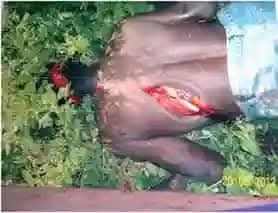
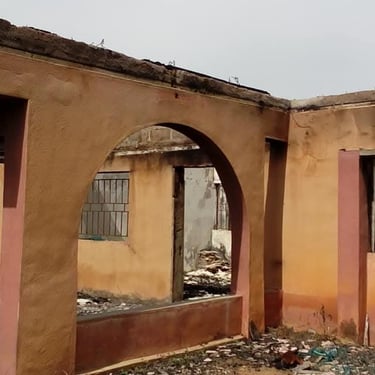
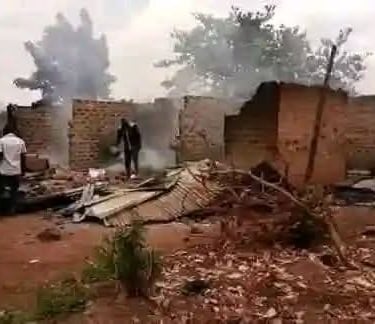
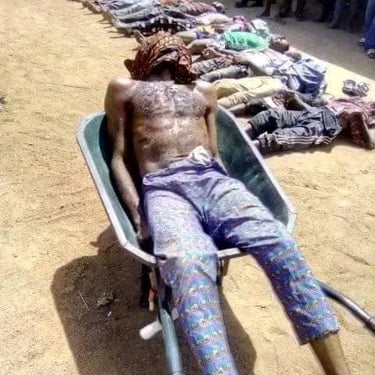
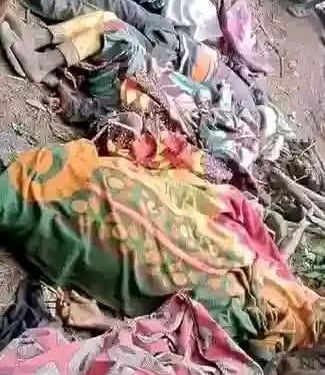
There were no humans except for the freshly dug graves and decomposing corpses protruding from a pit dug on the main road. We drove for miles in silence. It was eerie, a deafening silence. The empty, charred villages, where there had once been life and laughter, now echoed with death and abandonment. The sense of desolation and emptiness pressed down on me. How could a whole community of citizens be quietly erased while those in power still saw nothing, heard nothing, and felt nothing? This was no natural disaster, no nuclear war, no bombs.
It was organised violence and terror by Fulani herdsmen and bandits that emptied an entire corridor of human civilisation.
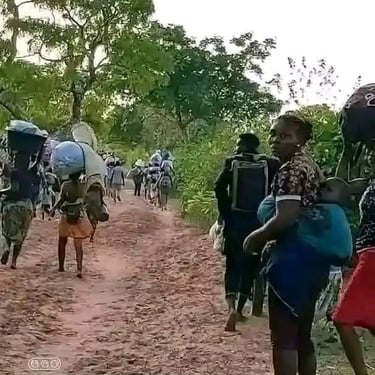
Over a million people have been displaced across Benue State, including in Gwer West, Gwer East, Guma, and Agatu. The devastation in Kwande Local Government is a separate chapter of terror, with the magnitude of a holocaust. The border communities of Abande and Anwase near the Cameroon border have also been occupied by armed herdsmen.
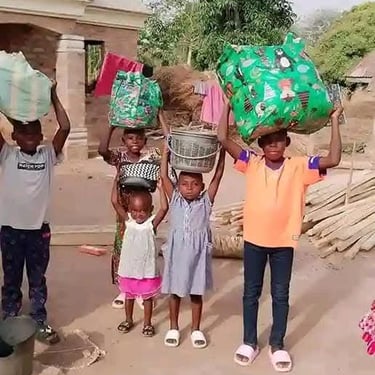
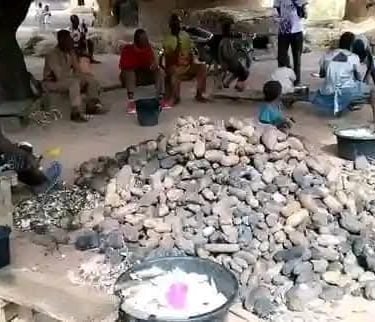
Hundreds of thousands now live in IDP camps or precarious host communities. UNICEF has reported alarming levels of malnutrition and stunted growth among children. Nearly all schools and health facilities across large parts of Sankera have been closed for nearly a decade. The girl child is reaching puberty without knowing how to read or write and is being rushed into forced marriage. The boys are easily drawn into the Herdsmen-banditry Complex, which is forcing citizens to pay ransom taxes or face erasure.
Under international law, crimes against humanity include widespread or systematic attacks directed against civilian populations. What has unfolded in Sankera bears the disturbing hallmarks of such a pattern: repeated assaults on villages, killings, mass displacement of communities, destruction of homes and livelihoods, and sustained targeting of ordinary farmers and families over an extended period.
Kasar, my home, is the epicentre of crimes against humanity and human erasure. From Kasar to Agu-centre, fifty square kilometres have fallen to terror, and the people have been erased. This also applies to the Mbayongo, Mbajir, Mbacher, Michihe, and Yooyo wards in Katsina-Ala Local Government; the Kundav, Borikyo, Ugbaam, Mbazun, Mbatyan, and Azendeshi wards in Ukum Local Government; and the Tswarev-Ukemberagya, Tombo, Mbagbe, and Mbavuur wards in Logo Local Government. The vulnerable have not been protected. The most pathetic thing is that these people have not asked for roads, hospitals, or schools.
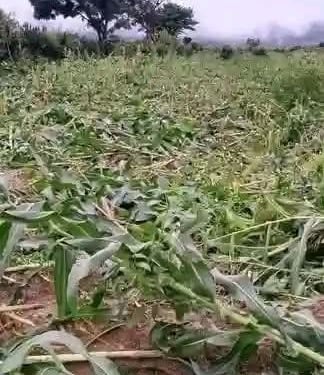
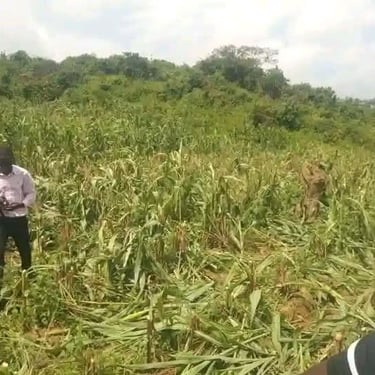
All they asked was to be alive in their ancestral homes and to eke out a living on the land. This land has been taken away, and the predator occupies it with glee.
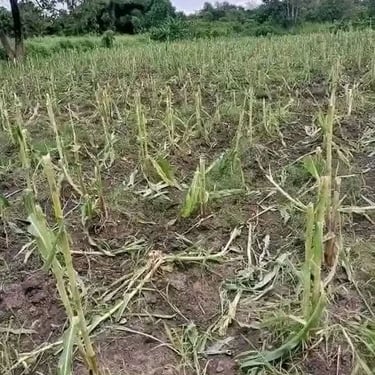
Benue State is Nigeria’s food basket. The destruction of its farming communities threatens regional food security across West Africa. A war on farmers is a war on food. A war on food is a war on humanity.
Recommendations:
• The Federal Government should ensure the safe return of all internally displaced Sankera people to their ancestral homes and protect their lives from bandits and terrorists.
• The Federal Government of Nigeria should declare a state of emergency in the Sankera axis of Benue State and deploy sufficient, rights-respecting security forces to restore control of the territory.
• The Federal Government should establish an Independent Judicial Peace and Reconciliation Commission to investigate the root causes, document atrocities, ensure accountability, and provide a framework for both retributive and restorative justice.
• The African Union and ECOWAS should conduct an independent fact-finding mission.
• The United Nations Human Rights Council should urgently review the situation.
• International humanitarian agencies to scale up assistance for internally displaced persons and host communities.
• Secure the large ungoverned space between Kasar and Agu-centre by establishing a robust army battalion at Kasar.
• Organise a massive resettlement scheme in Sankera by establishing new modern towns with modern amenities, such as schools, hospitals, and police stations, instead of having people living scattered across the land in precarious circumstances.
Most importantly, I call upon humanity’s conscience. What I saw on February 18 was not merely abandonment. It was erasure. If fifty square kilometres of once-thriving communities can vanish in silence, the world’s moral architecture is in danger.
We cannot normalise empty villages. We cannot normalise orphaned farmland. We cannot normalise children growing up, abused and traumatised, without a memory of home or education.
I speak today as a son of Sankera, Benue, and Nigeria.
I speak as a Nigerian patriot.
I speak as a senior diplomat who represented my country with pride.
And I speak as a witness and a public intellectual who must speak the truth as I see it.
History will ask what we did when an entire region became ghost communities.
Let this press conference mark the end of silence and the beginning of the global conscience's response.
Thank you.
Amb. Prof, Iyorwuese Hagher OON